Introduction
Navigating the complexities of bowel care within the National Disability Insurance System (NDIS) can be a daunting job. Whether you're a carer, medical care specialist, or a person seeking guidance on handling complex bowel care requirements, comprehending the nuances of these programs is essential. This comprehensive guide titled "Planning for Success in NDIS Complex Bowel Care Programs" purposes to shed light on the various aspects surrounding complex bowel care management, training programs available, and practical pointers for success.
What is NDIS Complicated Bowel Care?
Understanding NDIS Complicated Digestive tract Care
When we talk about NDIS complicated digestive tract care, we're referring to specialized care programs created for people with significant bowel monitoring requirements because of specials needs or medical problems. The intricacy emerges from a variety of factors consisting of wheelchair concerns, cognitive disabilities, and various other health-related obstacles that might influence a person's capacity to handle their digestive tract health and wellness independently.
The Relevance of Digestive tract Health
Bowel wellness plays a critical function in general well-being. Poor digestive tract management can cause serious issues such as dehydration, infections, and discomfort. For individuals under the NDIS structure, guaranteeing ample support through complex bowel care programs is essential to boost top quality of life.
Key Components of NDIS Complex Bowel Care Programs
1. Analysis and Planning
Before implementing any kind of bowel care program, extensive analyses are essential. This generally involves:
- Reviewing medical history Evaluating existing bowel habits Identifying private demands and preferences
By doing so, carers can develop customized strategies that address specific requirements.
2. Training for Carers
Training is a cornerstone of effective bowel administration. NDIS complex bowel care training outfits carers with knowledge about:
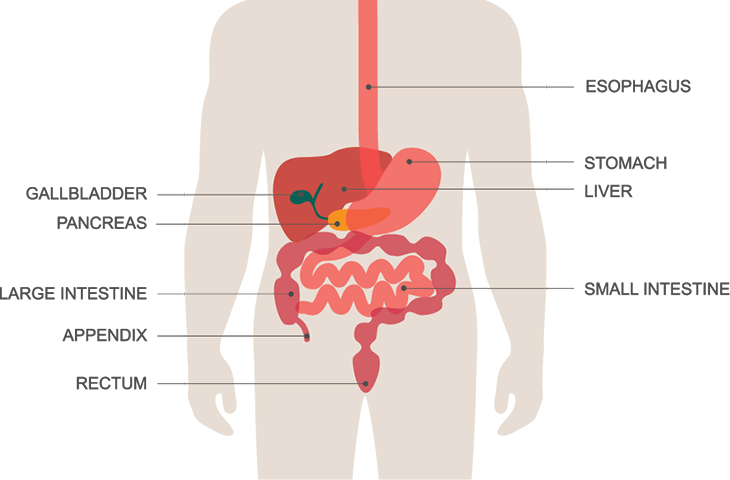
- Anatomy and physiology pertaining to bowel function Techniques for efficient digestive tract management Emergency treatments in instance of complications
3. Application Strategies
Once analysis and training are total, it's time to put strategies right into activity. This might include:
- Scheduled toileting routines Dietary adjustments to improve bowel movements Use of assistive gadgets if necessary
Understanding Stoma Care
What is a Stoma?
A stoma is a surgically developed opening that attaches an inner organ to the outdoors. It's frequently required following surgical procedures entailing the intestinal tracts or bladder as a result of problems like cancer cells or inflammatory digestive tract diseases.
What is Ostomy Care?
Ostomy treatment includes preserving health and preventing difficulties connected with stomas. Correct ostomy care can substantially improve convenience and lifestyle for people living with stomas.
Stoma Treatment Training for Carers
Carers play an indispensable role in managing ostomy care successfully. This training addresses:
Types of Stomas: Comprehending colostomies, ileostomies, and urostomies. Equipment Usage: Knowledge with bags and skin barriers. Routine Checks: Exactly how to keep an eye on stoma result and skin integrity. Recognizing Complications: Recognizing indicators of infection or leak very early on.Benefits of Stoma Care Training
Having trained carers ensures that people obtain:
- Consistent assistance Enhanced safety throughout day-to-day activities Increased independence
Complex Bowel Care Courses: An Overview
Types of Courses Available
Many organizations supply training courses targeted at improving abilities in complex bowel care management:
Online Training Modules In-Person Workshops Hands-On Practical SessionsThese training courses cover not simply academic knowledge however additionally functional application customized to real-life scenarios.
Course Material Breakdown
Most training courses will certainly include subjects such as:

- Anatomy & & Physiology Normal vs Abnormal Digestive tract Feature Best Practices in Bowel Administration Psychological Considerations
Bowel Treatment Management Techniques
Effective management needs a combination of strategies tailored to specific requirements:
Dietary Adjustments
Incorporating fiber-rich foods can assist control defecation while remaining hydrated is just as critical.
Scheduled Toileting
Creating a regular timetable motivates regular habits that can advertise normal functioning.
Use of Assistive Devices
Devices such as commodes or get bars provide additional assistance for those encountering mobility challenges.
FAQs About NDIS Complex Bowel Care Programs
Q1: What certifications do I require for NDIS complex bowel care training?
To end up being licensed in NDIS complex bowel care training, you normally require relevant medical care certifications together with specialized training courses.
Q2: How long does it take to finish a complex bowel care course?
Course periods differ; however, the majority of range in between one day up to a number of weeks depending on the deepness of ndis bowel care resources study.
Q3: Is stoma care different from basic digestive tract care?
Yes! Stoma care focuses especially on handling surgical openings whereas basic digestive tract care incorporates more comprehensive techniques around digestion health.
Q4: Can I access financing via NDIS for my training?
Yes! People qualified under the NDIS may receive funding towards approved training programs related to their particular needs.
Q5: What should I do if I observe difficulties during ostomy care?
If complications develop-- such as leak or skin inflammation-- look for immediate advice from healthcare professionals experienced in ostomy management.
Q6: Exist resources offered online for recurring education?
Absolutely! Lots of credible organizations provide ongoing instructional sources consisting of webinars, posts, and forums committed to continuous learning.
Preparing for Success in NDIS Complex Bowel Care Programs
Preparation is key when starting your journey via the intricacies bordering NDIS facility bowel care Begin by collecting all needed details regarding your problem or that of your client's demands. The next step involves enrolling in appropriate training programs such as complex bowel care courses which equip you with essential skills.
Additionally, cultivating open lines of interaction in between clients and their carers makes sure everybody stays informed regarding preferences and adjustments in condition in time-- all contributing variables leading toward effective outcomes.
It's crucial not simply to comprehend procedures however also value emotional support's duty among those influenced by persistent conditions requiring specific attention like bowel management
Conclusion
Successfully navigating the landscape of NDIS complex bowel care programs requires prep work, commitment, and continued education and learning. As we have actually reviewed throughout this article entitled "Preparing for Success in NDIS Complex Bowel Care Programs," effective strategies combined with appropriate training make all the distinction when it boils down to providing premium assistance services tailored especially according individual circumstances.
Whether you're seeking assistance yourself or supplying caregiving solutions-- constantly keep in mind the value behind compassionate understanding alongside technical know-how within this area! By welcoming these principles totally; there's no question you'll lead pathways toward boosted wellbeing not just among clients however additionally improving your very own experience along this informing trip ahead!